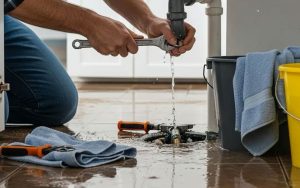
A plumbing emergency can make any home feel stressful fast. Water may spread across the floor. A toilet may overflow. A pipe may drip inside a cabinet. In that moment, many people feel rushed and unsure. However, a few calm steps can reduce damage before help arrives. These steps can also repair visit smoother. You do not need special tools for most of them. You only need to know where to look and what to avoid. Before calling a plumber, focus on safety, water control, and clear details. This can protect your home and help the plumber understand the problem faster.
Keep Everyone Safe Before Checking The Leak
Safety should come first during any plumbing issue. Water near outlets, cords, or appliances can create a risk. So, do not step into standing water if electricity may be nearby. Instead, keep people and pets away from the area.
“Fast action matters, but safe action matters more.”
If water is close to electrical items, shut off power to that area only if the panel is dry and safe to reach. If not, leave the space and wait for trained help. Also, avoid touching wet switches, plugs, or cords. A plumbing leak may look small, yet it can still spread behind walls or under floors.
Shut Off The Water Source
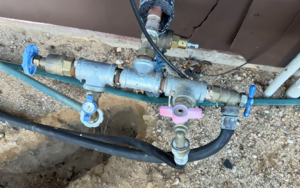
The next step is to stop more water from entering the area. This can limit damage while waiting for the plumber. Many fixtures have small shut-off valves nearby. For a sink, look under the cabinet. For a toilet, check near the wall behind it. Turn the valve clockwise until it stops. If the leak continues, use the main water shut-off valve.
Common places for the main shut-off:
- Basement walls near the front of the home
- Garage walls near the water heater
- Utility rooms or crawl spaces
- Outside near the water meter
After shutting off the water, open a low faucet for a few seconds. This may reduce pressure in the pipes.
Check Where The Problem Started
Once the water slows or stops, look for the source. Do not take anything apart. Just observe what you can see.
Use this quick guide:
| Problem Area | What To Check | Why It Matters |
| Toilet | Tank, base, supply line | Shows if water comes from overflow or a leak |
| Sink | Drain, faucet, cabinet, floor | Helps spot pipe or seal issues |
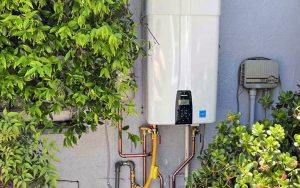
| Water heater | Base, top pipes, valve | Helps show leak location |
| Shower | Drain, wall, nearby floor | May point to drain or pipe trouble |
Take a photo if it is safe. A clear photo can help explain the issue without guessing.
Protect Floors, Cabinets, And Walls
Water can harm wood, drywall, rugs, and cabinets. So, act quickly once the area is safe. Use towels, buckets, or pans to catch dripping water. If a cabinet is wet, remove stored items. Also, keep doors open so air can move through the space.
Focus on simple steps:
- Lift rugs away from wet floors
- Move boxes, paper, and cleaning items
- Place towels at the edge of the spreading water
- Use a bucket under steady drips
Do not use a vacuum made for dry dirt. It can be unsafe around water.
Watch For Signs Of Bigger Trouble
Some plumbing issues look small at first. However, they may point to a larger problem. A slow drain may turn into a full backup. A small leak may come from pressure inside a pipe. A plumber can judge the cause better when the signs are clear.
“Small clues can tell a bigger story during a plumbing emergency.”
- Smells
A sewer smell can point to drain or backup trouble.
- Sounds
Gurgling drains may show trapped air or blockage.
- Water Color
Brown or rusty water may show pipe or heater concerns.
- Water Pressure
A sudden pressure drop may mean a leak or pipe issue.
Avoid Quick Fixes That Can Make Damage Worse
It is tempting to try fast fixes during a stressful leak. Yet some actions can create more trouble. Avoid pouring strong cleaners into drains. These products may harm pipes and create unsafe fumes. Also, do not force stuck valves with heavy tools. A broken valve can make the leak worse. If a toilet keeps overflowing, stop flushing it. If a drain backs up, stop using nearby sinks, tubs, and washers.
Avoid these risky moves:
- Do not remove pipe parts without knowing the setup
- Do not keep using water near the problem area
- Do not ignore water under the flooring
- Do not cover wet spots and leave them trapped
Gather Clear Details Before The Call
A good call starts with clear facts. The plumber understands how urgent the issue is. It also helps them bring the right tools and parts. Share what happened first. Then explain where the water is coming from. Mention whether the water is clean, dirty, hot, or cold. Also, say if the main water valve is off.
Helpful details:
- When the problem started
- Which fixture is affected
- How fast is the water leaking
- Any smells, sounds, or backups
- Steps already taken
- Photos of the leak area
Make The Area Easy To Reach
Plumber arrives, clear a path to the problem area. Move laundry baskets, storage bins, rugs, and small furniture. This saves time and helps the plumber work safely. If the issue is near the water heater, clear items around it. Suppose the issue is under a sink, empty the cabinet. If the main valve is in a closet or garage, make sure it is easy to reach.
Also, keep children and pets away from the work area. Wet floors can be slippery. Tools and open cabinets can also create hazards. A clean work path helps the repair start sooner.
What Comes Next Matters
A plumbing emergency feels easier to manage when the first steps are clear. Start with safety. Then shut off the water, protect the area, and collect useful details. These actions can reduce damage and help the repair visit go more smoothly. When the issue needs trained help, DND Plumbing can review the problem and guide the next steps with care.
FAQs
What Should Be Done First During A Plumbing Emergency?
Check for safety risks first. Keep people away from water near electricity. Then shut off the water source if it is safe.
Should The Main Water Valve Be Turned Off?
Yes, if the leak does not stop at the fixture valve. Turning off the main valve can reduce water damage.
Is It Safe To Use Drain Cleaner Before Help Arrives?
It is better to avoid strong drain cleaners. They may damage pipes and create unsafe fumes.
What Details Should Be Shared With A Plumber?
Share the leak location, water type, problem start time, and any steps already taken. Photos can also help.
Can A Small Leak Wait Until Later?
A small leak can still cause damage. If water spreads, stains walls, or keeps dripping, ask for help soon.